 1300 023 584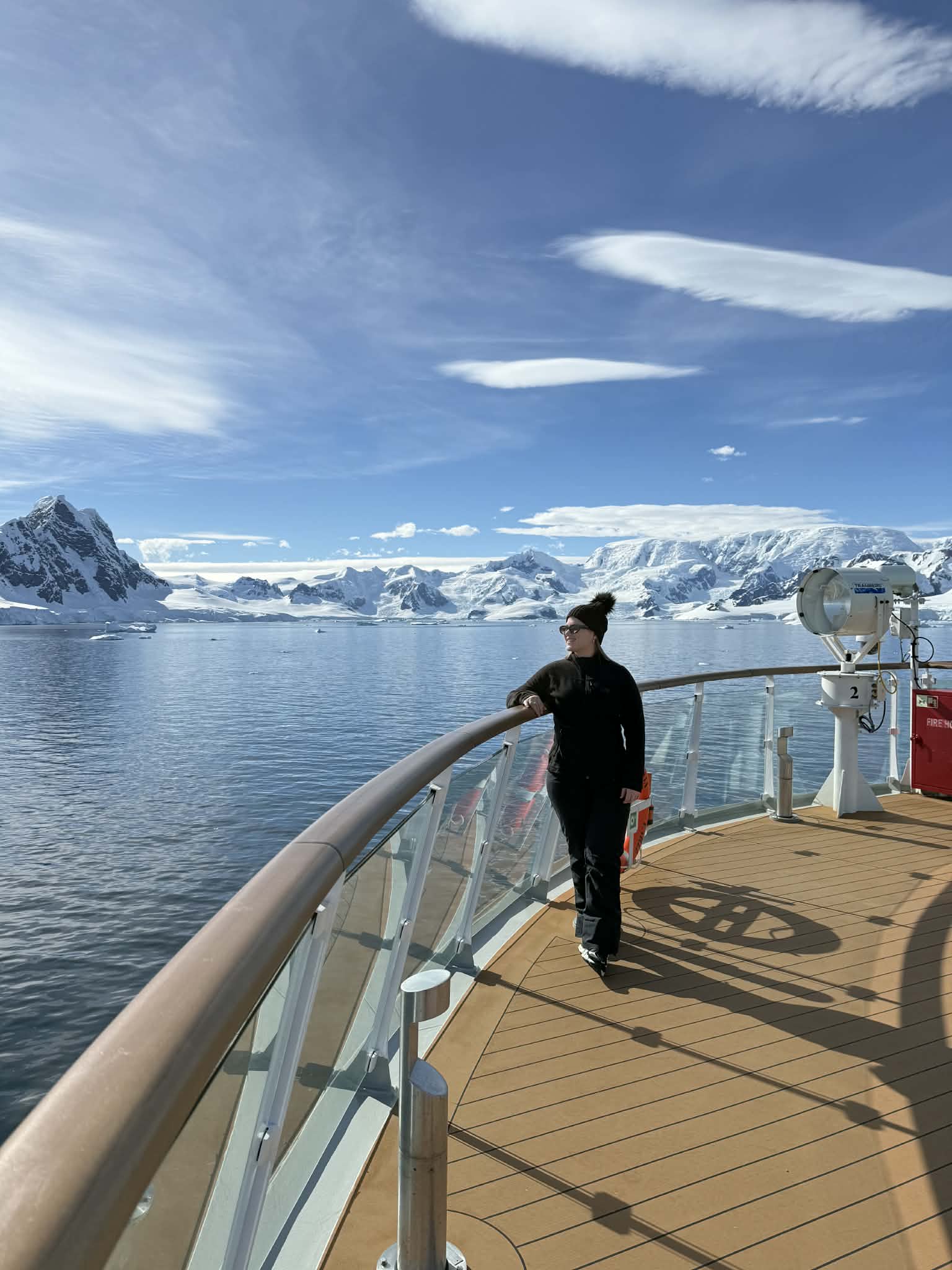
Life changing experience
There are trips you enjoy, and then there are trips that quietly change you.
Sailing to the white continent with Aurora Expeditions on their Spirit of Antarctica voyage was unlike anything I’ve ever experienced. From the moment we departed Ushuaia, it was clear this wasn’t just a cruise. It was an expedition in the truest sense of the word. Purposeful, considered, and deeply respectful of the environment we were about to step into.
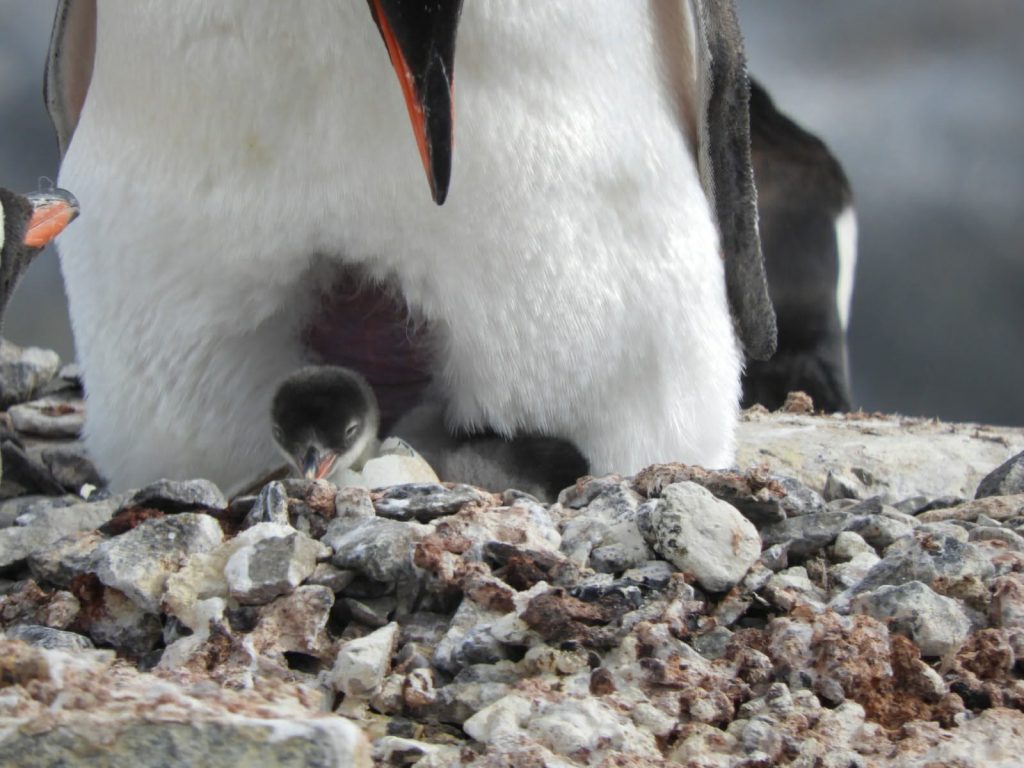
A tiny miracle, moments after hatching.
Drake lake or drake shake?
Crossing the Drake Passage felt like a rite of passage. Days at sea weren’t just about getting from A to B. They were filled with learning.
Briefings on Zodiac operations and landings, lectures on wildlife and glaciology, photography workshops, and deep dives into how Antarctica is protected under strict environmental guidelines. IAATO protocols were front and centre, and you could feel how seriously Aurora takes its responsibility to protect this fragile place.
And then came Antarctica.
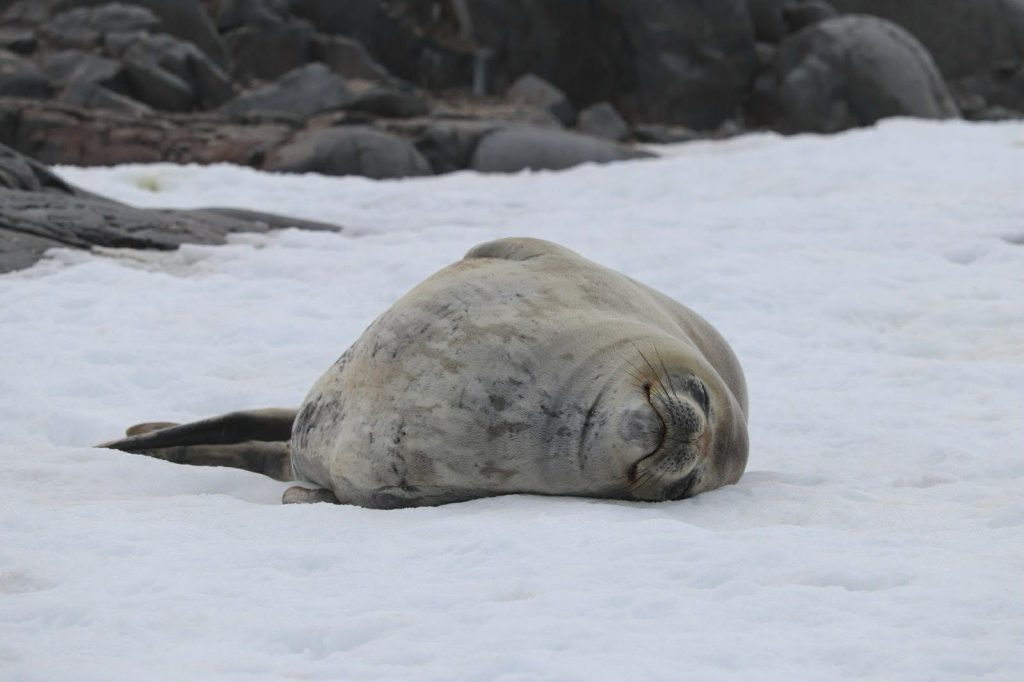
Weddell Seal sunning himeself.
Getting up close
Zodiac landings through drifting ice, weaving between icebergs that glowed blue and white in the changing light. Standing among penguin colonies as they went about their day, completely unfazed by our quiet presence. Hiking up snowy ridgelines to lookout points that made you stop in your tracks. Watching glaciers calve into the sea, the sound echoing across the water.
One of the things that truly sets Aurora apart is their small-ship approach. With far fewer passengers on board compared to larger expedition vessels, we were able to maximise our time off the ship. Most days allowed for two landings, each lasting around two to three hours. That meant long, unhurried moments on shore. Time to walk, hike, sit quietly, watch wildlife, take photos, and simply absorb where we were. There was never a sense of being rushed back to the ship.
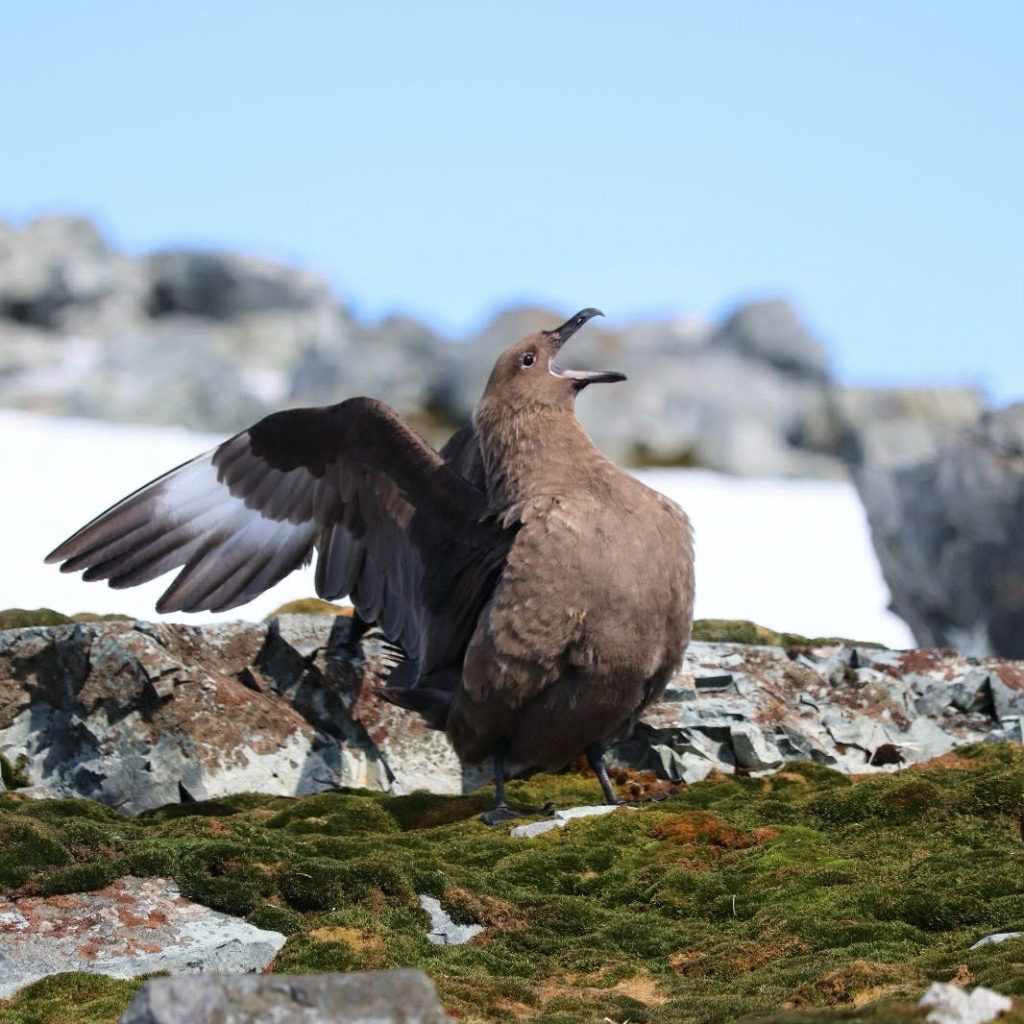
South Polar Skua.
A whale of a time
One of the most unforgettable experiences was our time with the whales. Humpbacks breaching in the distance, swimming alongside our Zodiacs, and feeding so close we could hear the bubbles bursting as they surfaced. We watched bubble-net feeding in complete silence, engines cut, as these enormous animals moved gracefully around us. It was humbling, emotional, and something I will never forget.
What made this journey truly exceptional was the expedition team. These weren’t guides reading from scripts. These were people who have lived this work. Marine biologists, glaciologists, former Antarctic station crew, photographers, and conservationists. People who have dedicated their lives to understanding, protecting, and sharing this part of the world.
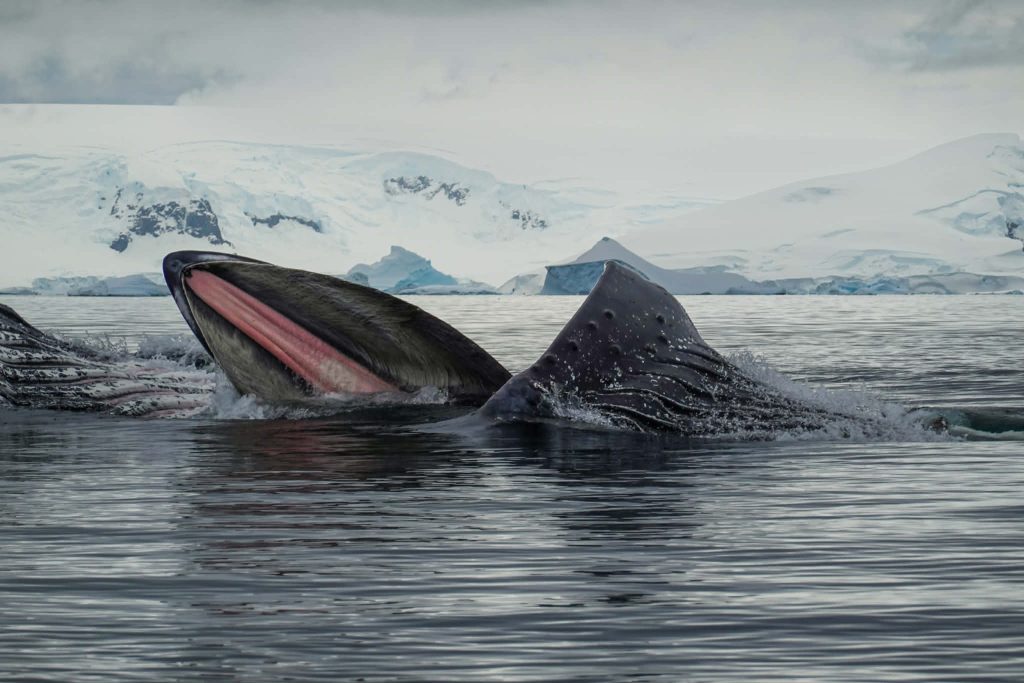
Watching humpback whales use bubble-net feeding is absolutely incredible.
Expert commentary
Their passion was contagious. Every lecture felt like a privilege to attend. Every landing was carefully planned with safety, wildlife, and environmental impact in mind. Casual conversations over coffee turned into lessons about seabirds, ice formations, or life on Antarctic research stations.
We were also invited to be more than observers. Aurora’s Citizen Science program allowed us to actively contribute to real research. We logged whale sightings, identified flukes to help track individuals around the globe, recorded seabird sightings, and even took part in cloud surveys. Knowing that our time there could help contribute to ongoing scientific research added a deeper layer of meaning to the experience.
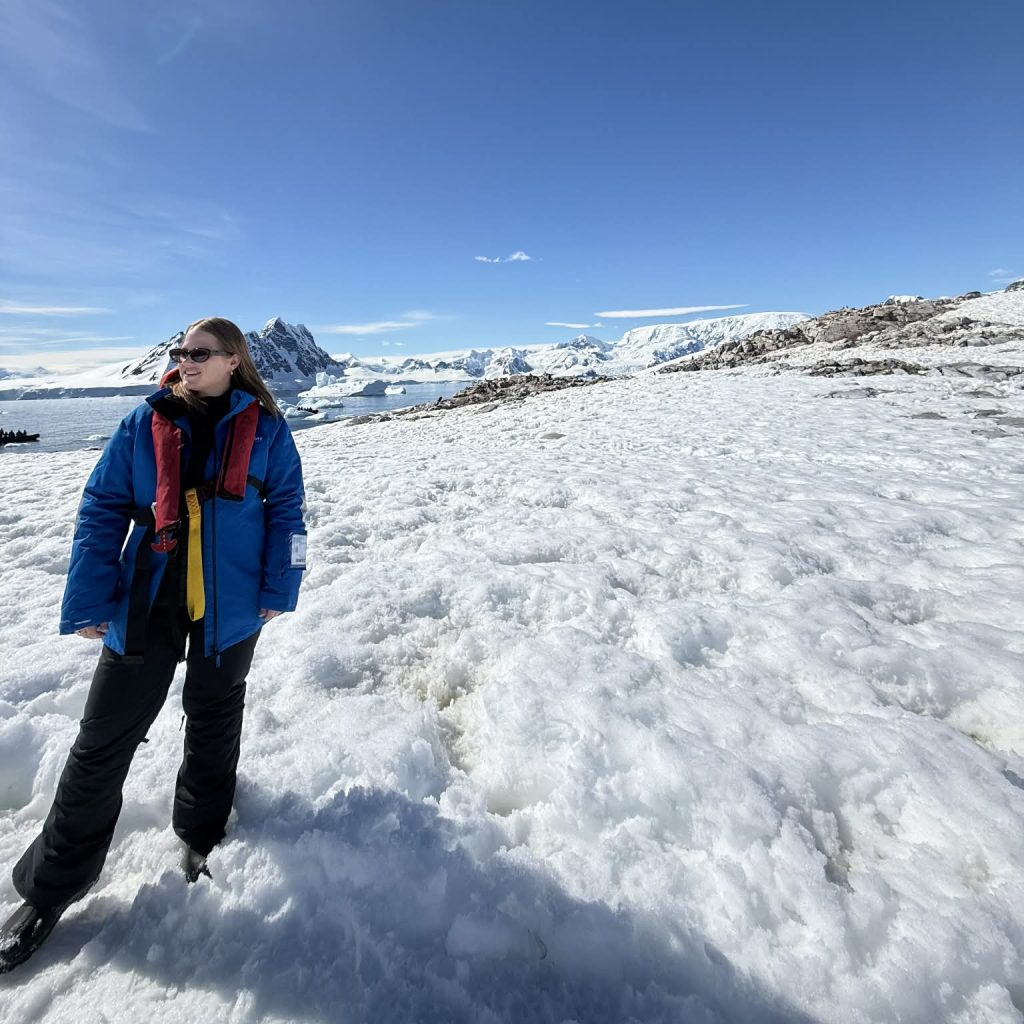
Our first landing on Lautaro Island.
How was the ship?
Life on board the Sylvia Earle was just as memorable. The ship itself felt warm, welcoming, and perfectly designed for exploration. One of the standout features is its cutting-edge X-Bow design, built to slice through waves rather than crash over them. This not only improves comfort in rough conditions like the Drake Passage, but also makes the journey feel smoother and more stable, even when the Southern Ocean reminds you who’s in charge. Every detail on board felt purposeful, from the spacious observation areas to the expedition-ready layout that made gearing up for landings seamless.
Evenings were spent in daily recaps, where the expedition team shared highlights, photos, and plans for the next day. It created a sense of connection and community that grew stronger as the voyage went on.
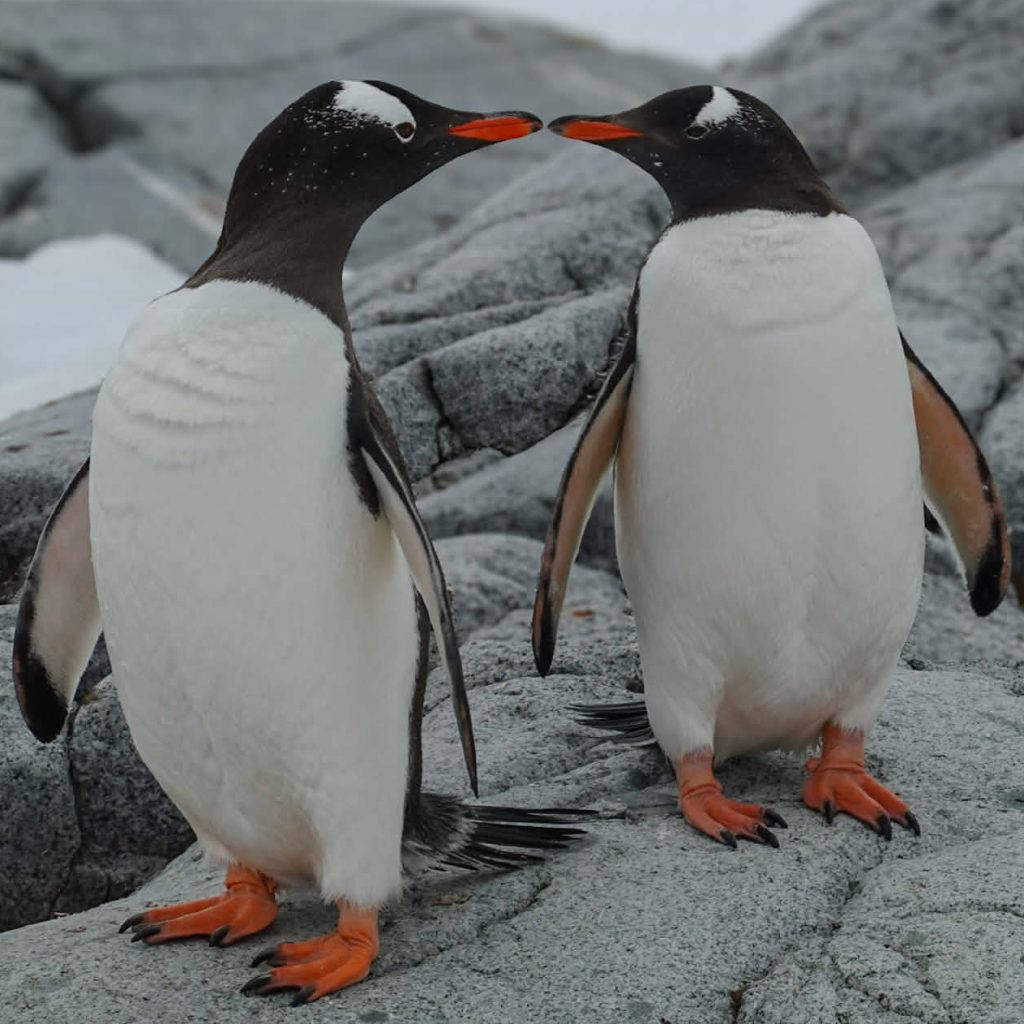
Two beautiful Gentoo Penguins.
From Explorers to Ambassadors
As we began our return across the Drake Passage, the focus shifted to reflection. Workshops on becoming Antarctica Ambassadors once home encouraged us to keep learning, sharing, and advocating for this extraordinary place. We were given resources, books, podcasts, and documentaries to continue our education long after the voyage ended.
Our final night brought everything full circle. A farewell from the expedition team, a voyage slideshow filled with photos and videos that captured moments we didn’t even realise had been documented, and a Captain’s farewell dinner that felt both celebratory and bittersweet. Later, in the Tektite Bar, guitars came out and the expedition team joined us for an impromptu sing-along. Strangers who, by that point, felt like old friends. One of those nights you wish you could pause.
And then, Ushuaia. Just like that, it was over.
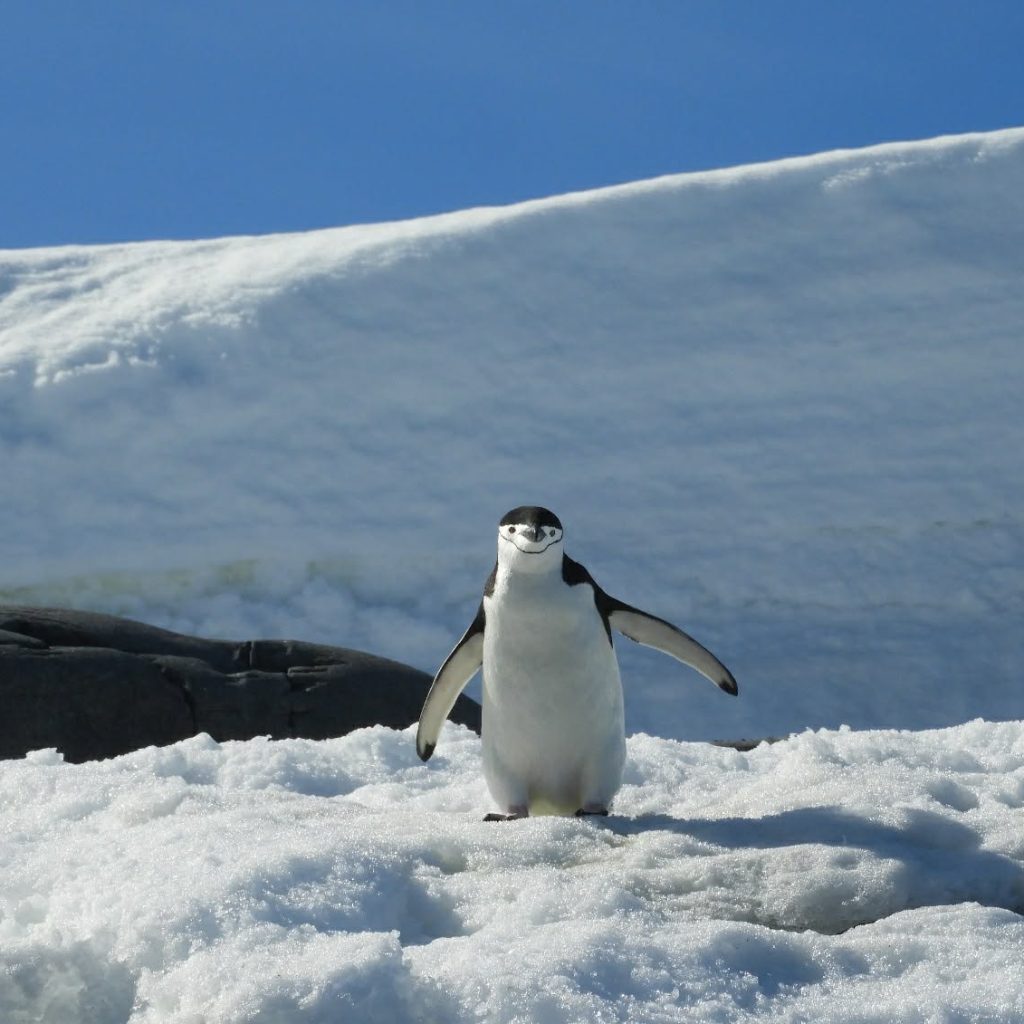
A gorgeous Chin Strap Penguin.
You have to go
I still can’t quite believe I’ve stood on the continent I’ve dreamed about for so long. Antarctica has a way of stripping everything back. It’s quiet, vast, and powerful.
This journey will stay with me forever. Not just for where I went, but for how it made me feel.
Antarctica doesn’t just leave footprints in the snow.
It leaves something much deeper behind.
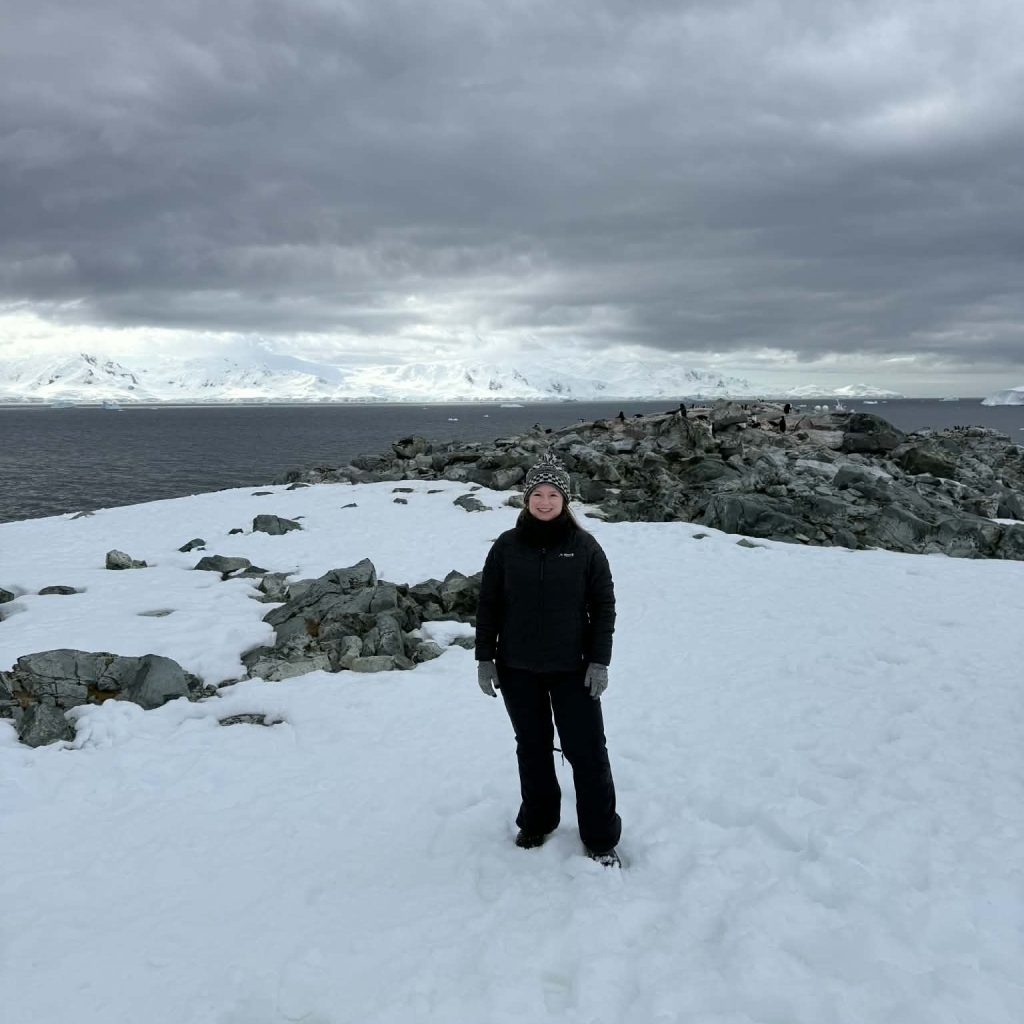
On our last landing on Palaver Point.