



 1300 023 584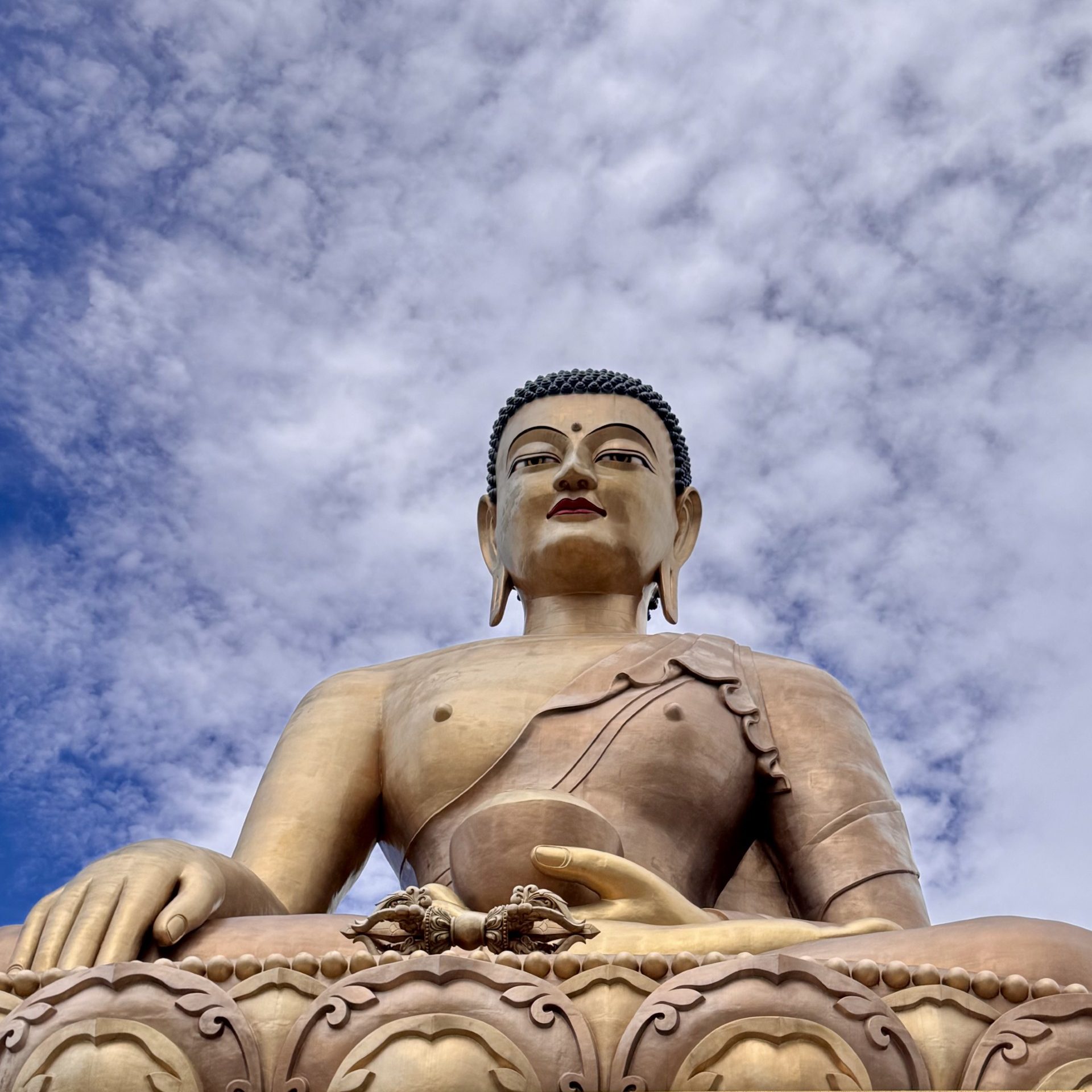
Holy Himalayas! Welcome to Bhutan.
This tiny Himalayan Kingdom, known as the Land of the Thunder Dragon, is hidden among the towering peaks of the Himalayas.
Flying into Bhutan is a thrilling, white-knuckle experience. My short but spectacular flight from Kathmandu to Paro had incredible views of the Himalayas.
Only two airlines are allowed to fly into Bhutan. Drukair (Royal Bhutan Airlines) and Bhutan Airlines operate flights exclusively into Paro.
Why? Paro International Airport is ranked one of the most challenging & dangerous terrain in the world with a tightly walled valley surrounded by 5,500m high Himalayan peaks and a short runaway. Only a small elite group of pilots are certified to fly in/out of Paro.
Thank you Drukair!
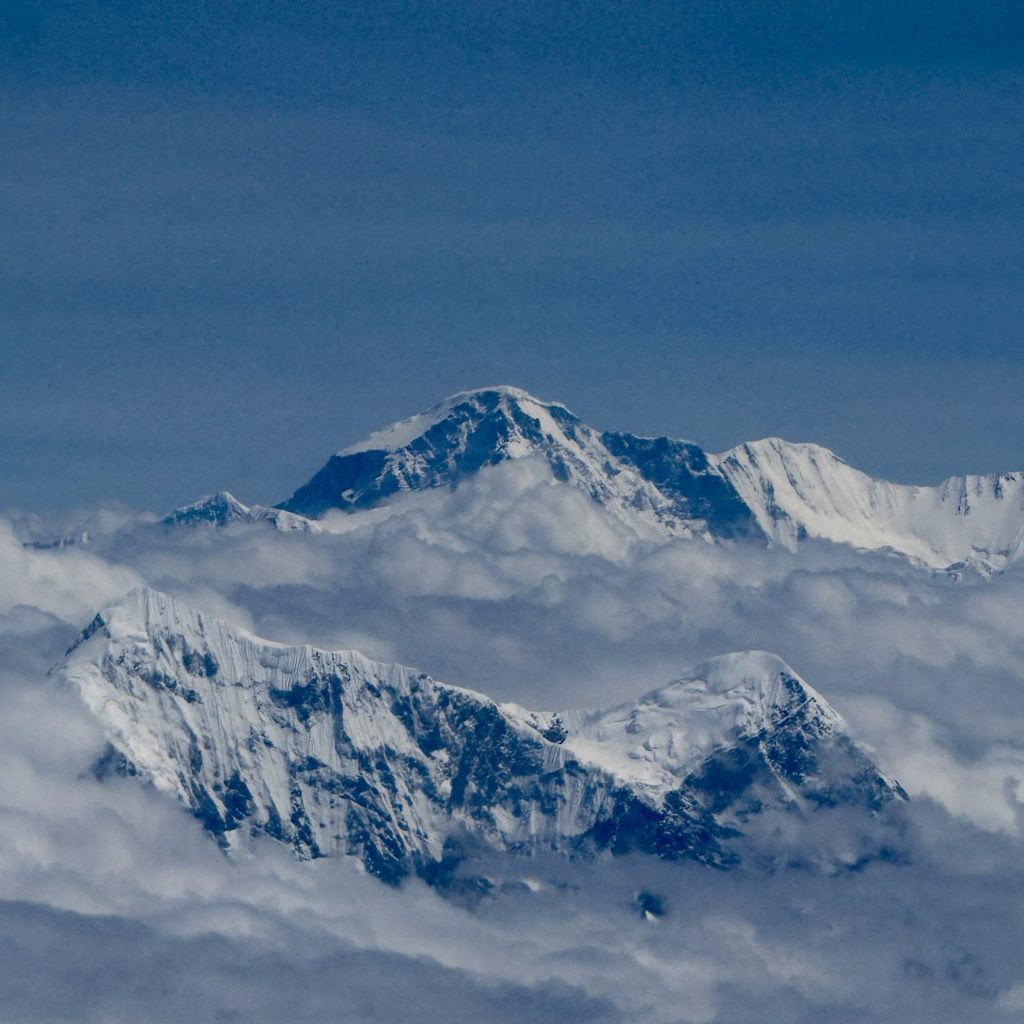
Flying into Bhutan is an experience in itself, with breathtaking views of the snow-capped Himalayas stretching endlessly above the clouds.
Tiger’s Nest – Paro Taktsang
The jewel of Bhutan is undoubtedly Tiger’s Nest Monastery, one of the most breathtaking monasteries in the world. Officially known as Paro Taktsang, the sacred Buddhist site clings dramatically to a sheer cliff face more than 3,000 feet above the Paro Valley.
According to legend, Guru Rinpoche flew to the monastery site on the back of a tigress to meditate in a cave, making it one of Bhutan’s most revered spiritual landmarks.
The day we hiked (6-hour round trip) to the Tiger’s Nest was an auspicious day in Bhutan – which is a sacred time when good karma multiplies and spirits align. It was lovely to see so many local people doing the pilgrimage.
Rare access to the 1400-year-old meditation cave with a monk blessing inside was an emotional moment to mark our special visit – this cave is only open a couple of times a year.
Stats
- Height above sea level: 3120m
- Distance: 6.5kms
- Trek difficulty: Moderate (steep ascend)
- Location: Near Paro
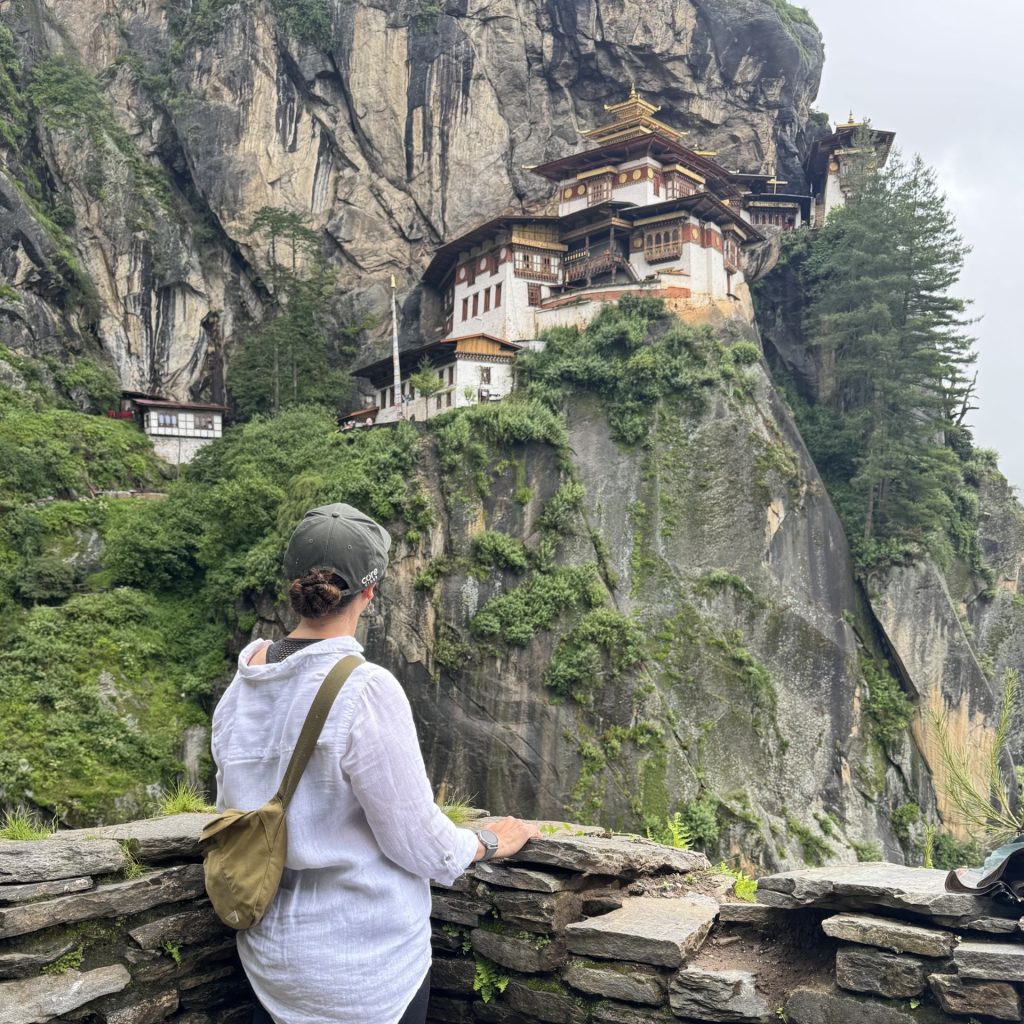
Marie taking a moment, enjoying Tigers Nest views.
What is Gross National Happiness?
Bhutan’s unique philosophy of Gross National Happiness (GNH) measures the country’s prosperity by gauging its citizens’ happiness levels over economic growth.
The concept was introduced in 1970 by the fourth King of Bhutan, Jigme Singye Wangchuck.
The emphasis on happiness has led to practices that prioritise the well-being of its people, such as free healthcare and education, sustainable tourism and the conservation of its environment and culture.
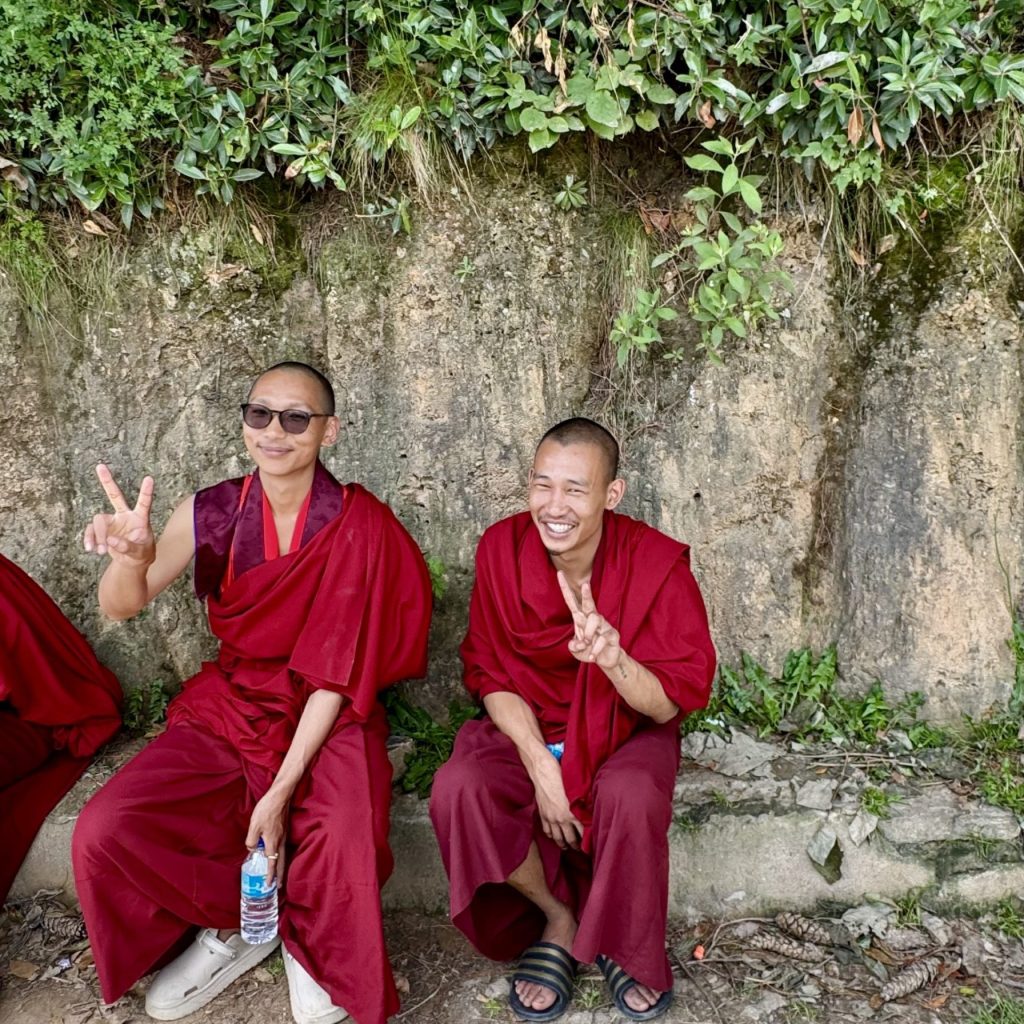
Happy monks!
Bhutanese smiles for days
Bhutan measures happiness through nine key domains via National Surveys:
- Psychological well-being
- Health
- Education
- Time use
- Cultural diversity and resilience
- Good governance
- Community vitality
- Ecological diversity and resilience
- Living standards
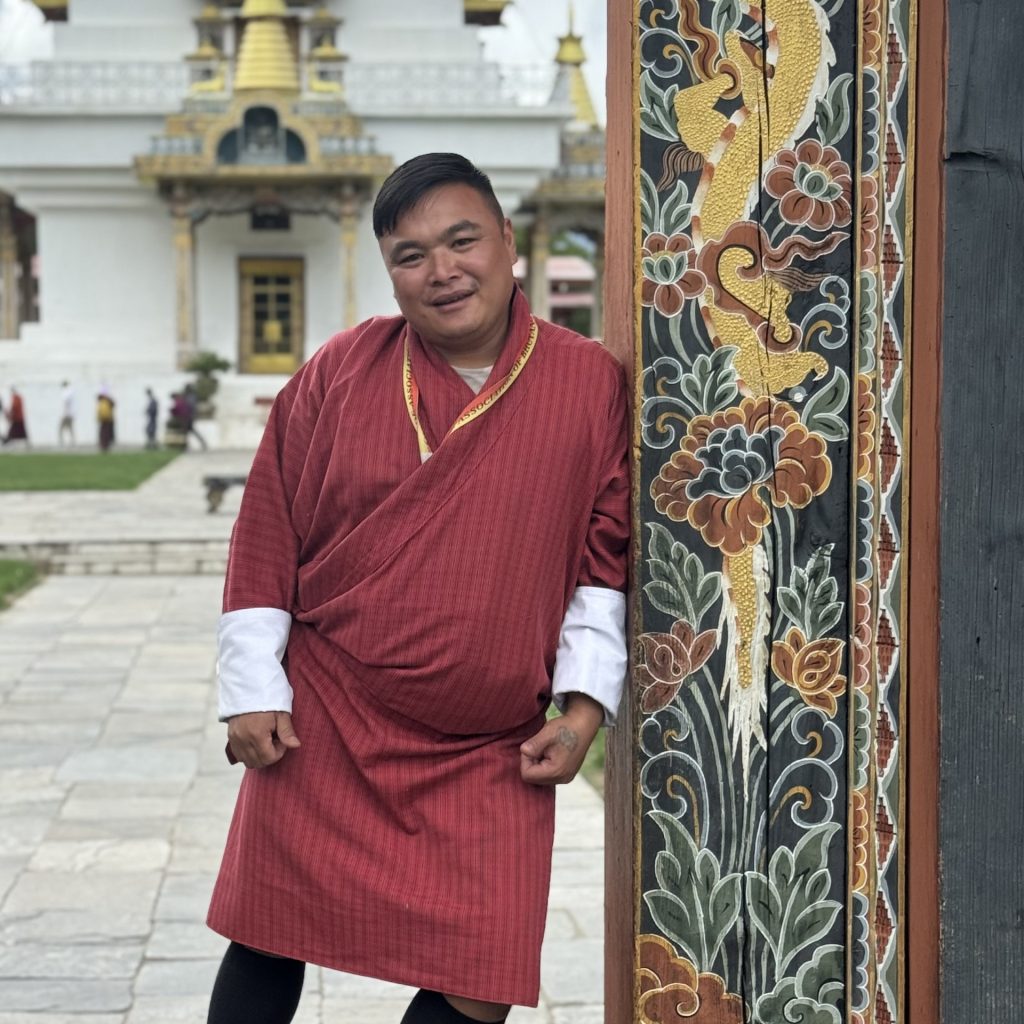
Our wonderful guide embodied Bhutan’s philosophy of Gross National Happiness, sharing the country’s culture with warmth, humour and genuine pride.
Palace in the Sky
If luxury hotels are your jam, Bhutan does not disappoint with unique luxurious stays.
Sustainable Development Fee – room rates for accommodation do not automatically include Bhutan’s mandatory Sustainable Development Fee (SDF), which is an additional $USD100 per adult per night, paid directly to the government to support national sustainability and infrastructure.
Perched high above Bhutan’s capital, Six Senses Thimphu (known as the Palace in the Sky) offers a peaceful retreat where contemporary luxury meets the country’s rich cultural heritage.
Surrounded by pine forests and sweeping Himalayan views, the lodge features floor-to-ceiling glass that frames the dramatic landscape, tranquil reflection pools, and breathtaking vistas of the iconic Buddha Dordenma overlooking the valley.
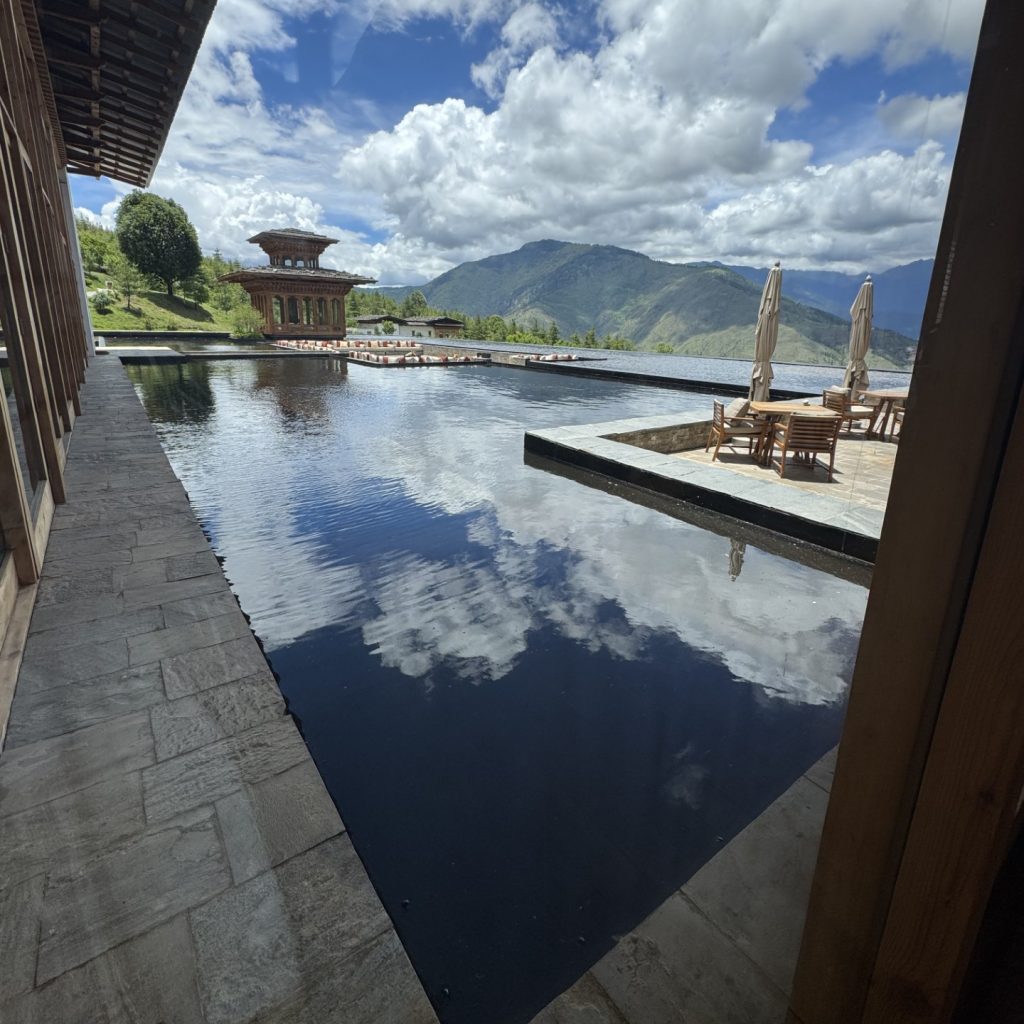
Reflection pool at Six Senses Thimpu.
Glacial valley serenity
Set amidst the pristine Phobjikha Valley, Taj Gangtey Resort & Spa is a luxurious alpine retreat surrounded by rolling meadows, pine forests, and breathtaking Himalayan scenery. Sitting at 3,000m altitude, Taj Gangtey is so inviting and peaceful.
Its spectacular location provides easy access to the valley’s scenic hiking trails, ancient monasteries, and, during winter, the graceful black-necked cranes that migrate to this protected sanctuary from the Tibetan Plateau.
Classified as Vulnerable on the IUCN Red List of Threatened Species, black-necked cranes are strictly protected under Bhutanese law, where they are deeply revered as sacred celestial beings.
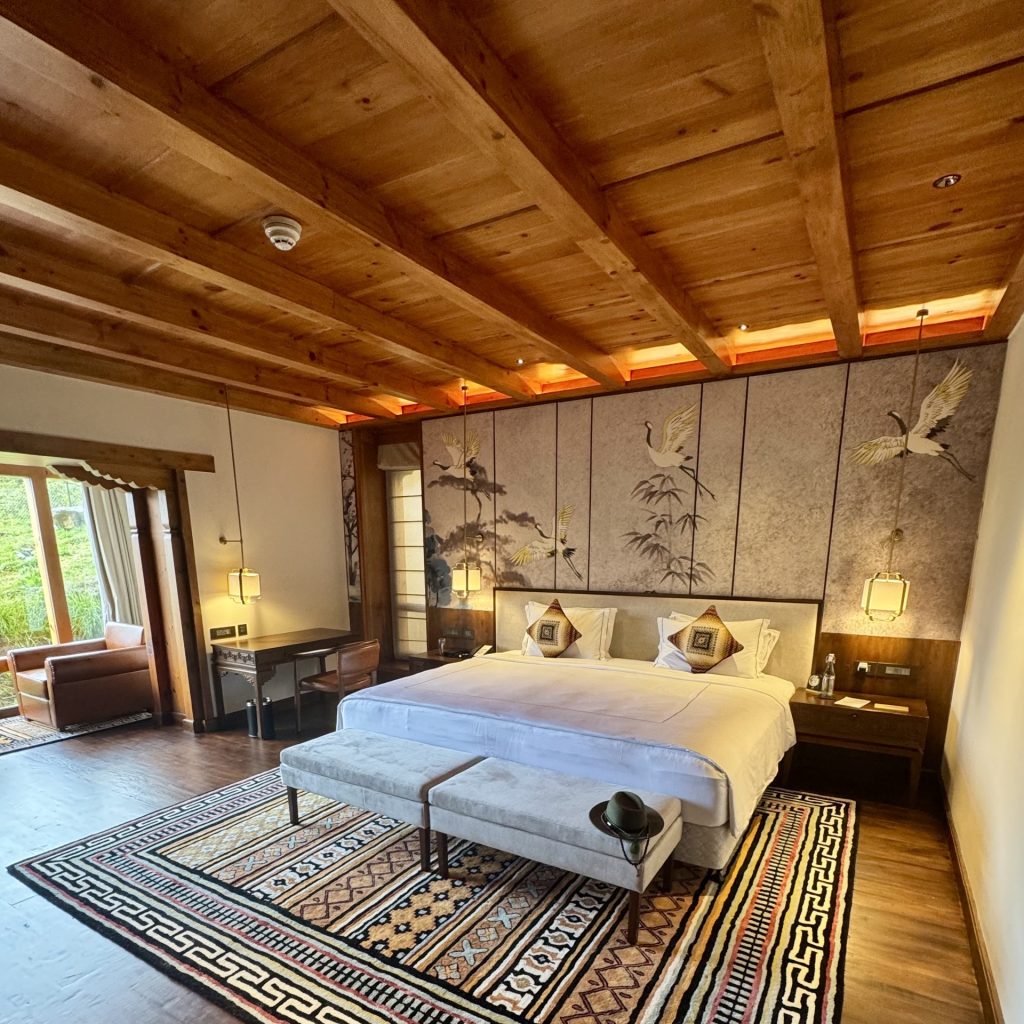
Taj luxury.
Pemako: the hidden lotus paradise
Pemako Punakha is an earthly paradise waiting to be discovered.
Nestled along the banks of the Mo Chhu River, Pemako Punakha is an intimate luxury retreat set in 60 acres of verdant forest, that blends seamlessly with the lush landscapes of Bhutan’s former royal capital. Surrounded by terraced rice fields, forested hills, and the gentle flow of the river, the resort showcases contemporary design infused with Bhutanese craftsmanship.
Guests can unwind in beautifully appointed luxury tents, rejuvenate at the serene spa, or explore nearby cultural treasures, including the magnificent Punakha Dzong, while soaking in the peaceful beauty of one of Bhutan’s most picturesque valleys.
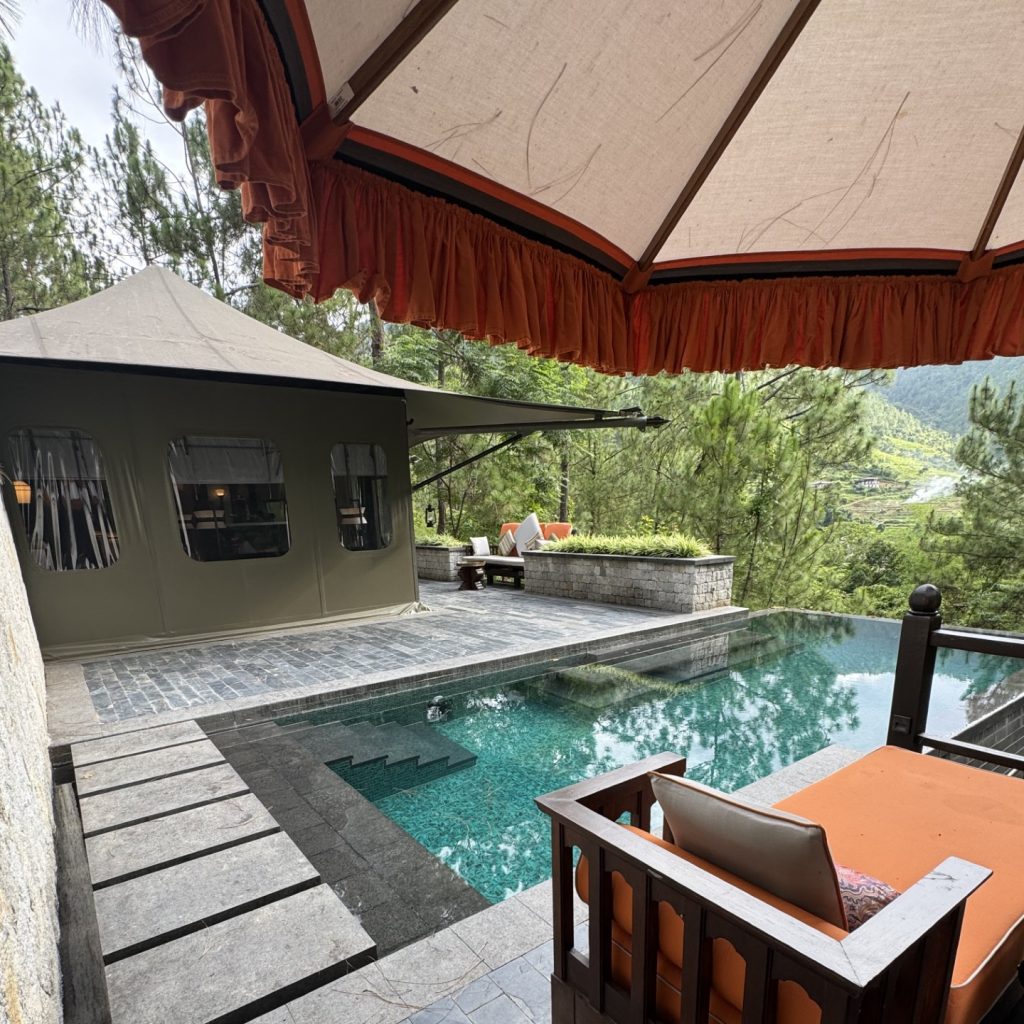
Luxury tent with pool in pristine forest of Pemako.
Understated luxury at Taj Paro
Taj Paro Resort & Spa, welcomes guests to a haven of Himalayan calm.
A refined retreat where timeless Bhutanese architecture meets understated luxury. Its idyllic setting provides the perfect base for exploring the iconic Tiger’s Nest Monastery, ancient dzongs, and the rich cultural heritage of one of Bhutan’s most captivating valleys.
Guests can also immerse themselves in Bhutan’s vibrant traditions with a special cultural evening, dressing in the elegant national attire – Gho for men and Kira for women – while enjoying authentic music, dance, and local cuisine.
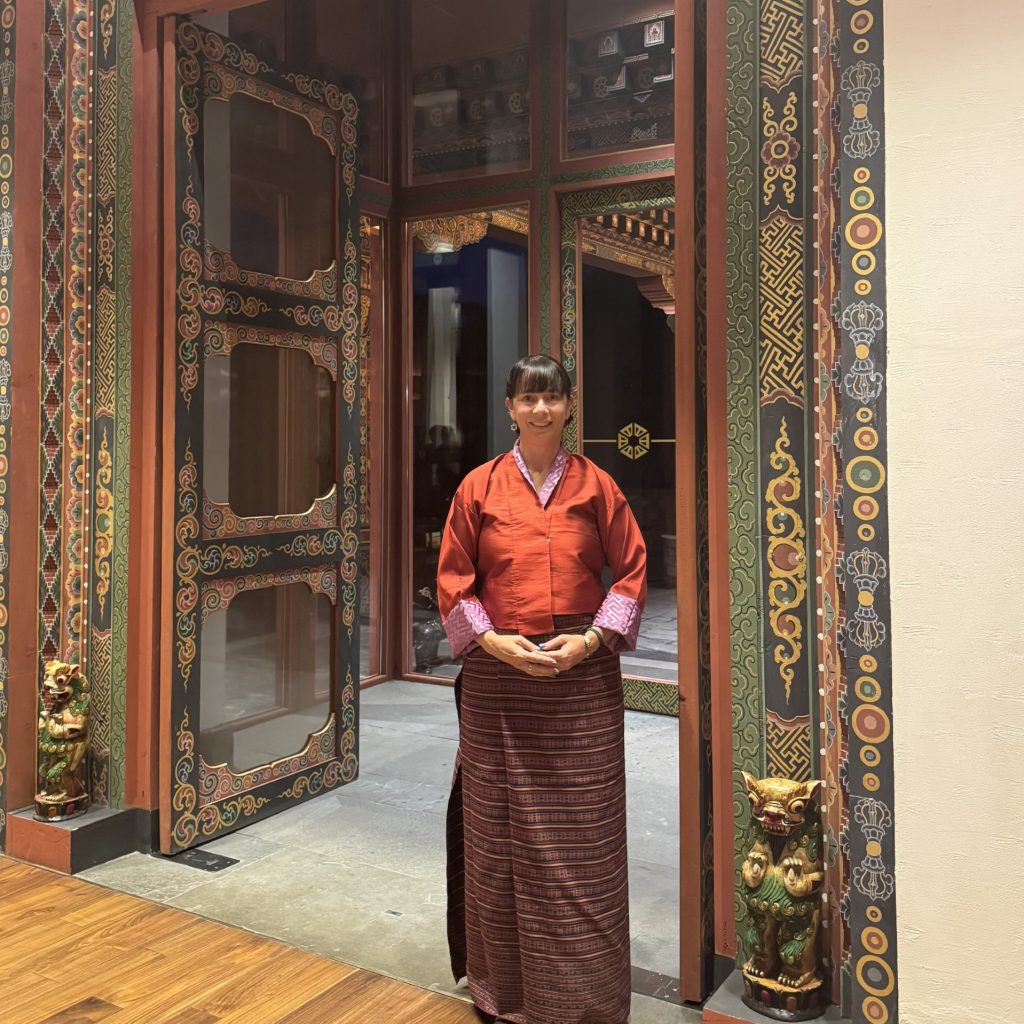
Bhutanese National Dress – Marie wearing ‘Kira’.
Fun facts about Bhutan
- The National sport is Archery.
- The National animal is a Takin – this rare Himalayan mammal has an almost mythical appearance. According to Bhutanese legend, the takin was created in the 15th century by an eccentric saint known as the “Divine Madman,” who fused a goat’s head onto a cow’s skeleton.
- Prayer flags span suspension bridges in Bhutan to catch strong canyon winds, which continuously carry sacred mantras and blessings across rivers for the well-being of all living beings.
- The YETI… yes, the giant hairy ape-man of the Himalaya is a beloved topic of folklore and is believed to still roam in the Himalayan mountains; known in western culture as the Abominable Snowman.
- English is widely spoken, and locals love to meet & welcome visitors to their country.
- Bhutan has a delicious dry red wine – Vintria Shiraz is crafted in the country’s fertile southern region. Enjoying a glass (or two) of Vintria is a wonderful way to sample Bhutan’s emerging wine industry and experience a distinctive local flavour.
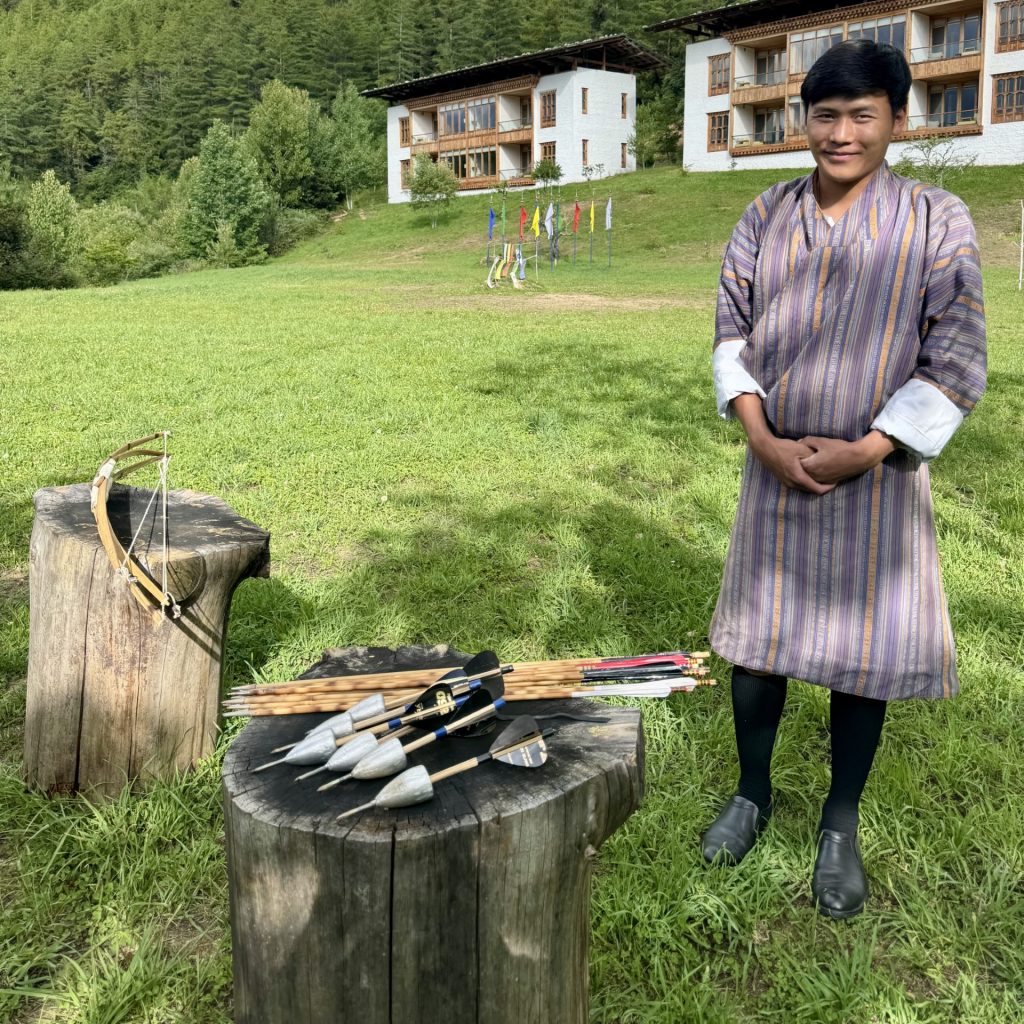
Archery is the national sport in Bhutan.
Pristine sacred mountains
- Bhutan is the world’s only officially carbon-negative country – meaning it absorbs more carbon dioxide than it emits. Forest covers over 70% of the country.
- You cannot climb mountains in Bhutan – mountaineering is completely banned out of deep spiritual respect for the peaks as sacred homes of gods & spirits.
- Tourism in Bhutan began in 1974, when the Government opened its isolated country to visitors.
- Stats: In 1974, 274 people visited. In 2025, 209,376 people visited.
- Current population of Bhutan is just over 800,000.
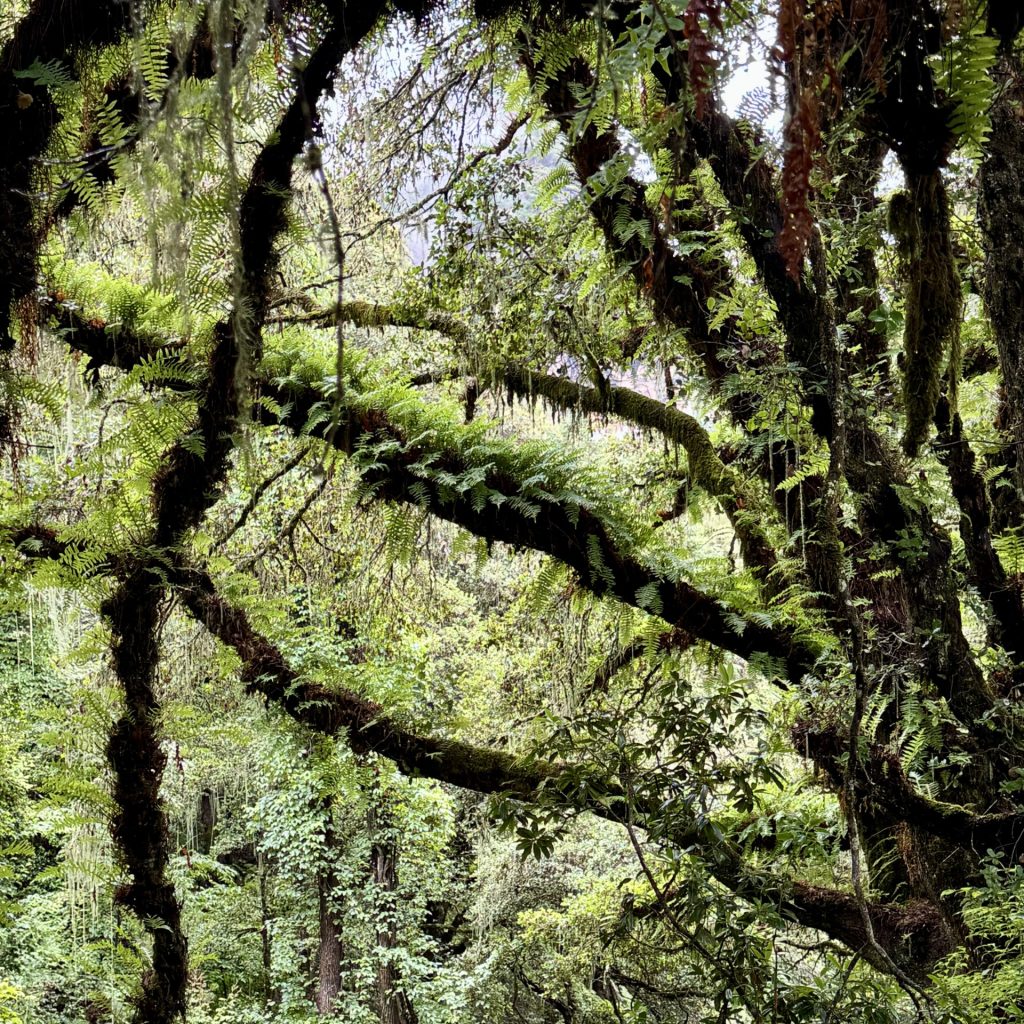
Forest bathing in Bhutan.
Disconnect to reconnect with purpose
Bhutan is refreshingly itself…. quietly confident and proud, with a remarkable vision to move forward with purpose in a noisy world. Rich in culture, colour, spirituality and untouched natural beauty.
Bhutan deliberately avoids mass tourism through a government policy of “High Value, Low Volume” tourism. Rather than attracting as many visitors as possible, the country focuses on welcoming fewer travellers who contribute more to the local economy and respect Bhutan’s culture and environment.
I am so grateful for my incredible journey through Bhutan with Exotic Destinations. Bhutanese prayer flags now flutter in my back garden – so happy!
Happiness really is a destination.
Kadrin chhe la Bhutan!
Written by Marie Holman following her adventure through Nepal and Bhutan with Exotic Destinations.
Marie Holman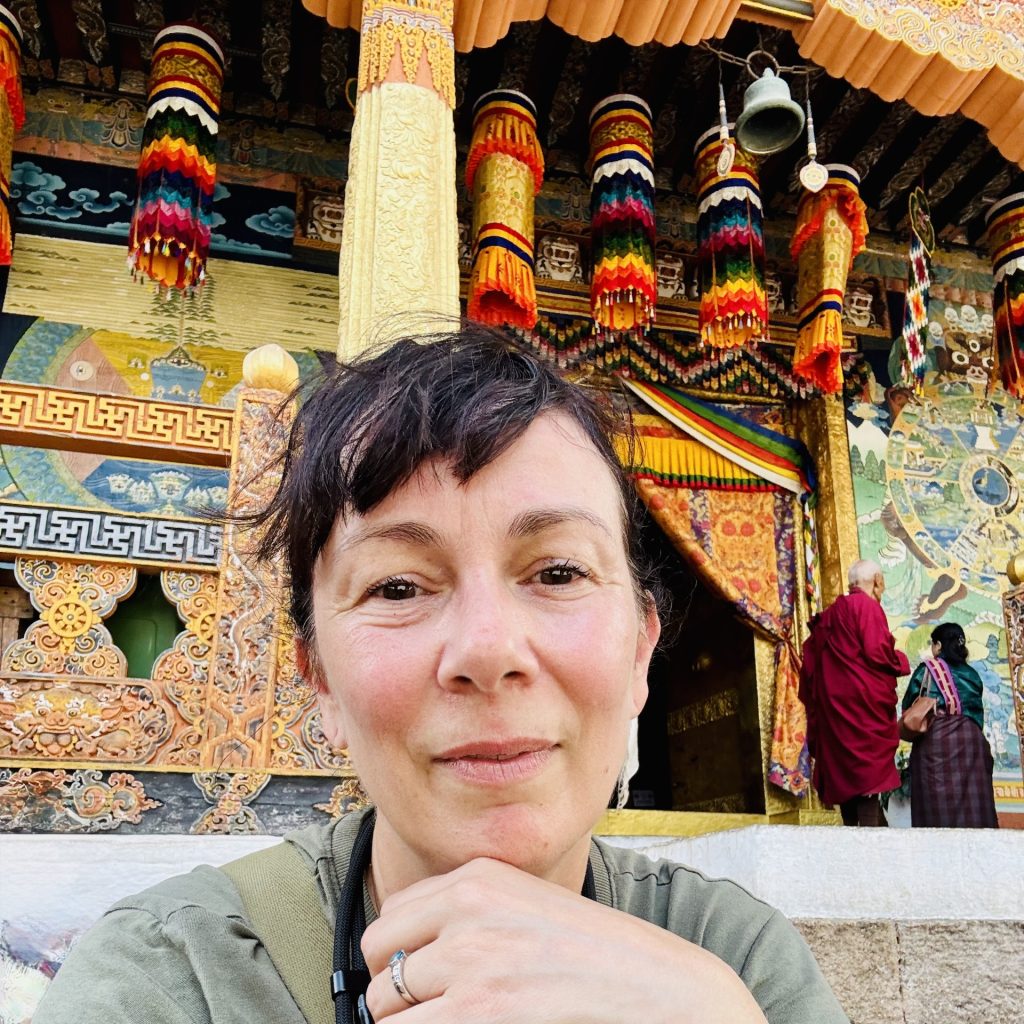
Punakha Dzong known as the Palace of Great Happiness.